Introduction: Navigating the Digital Landscape in 2024
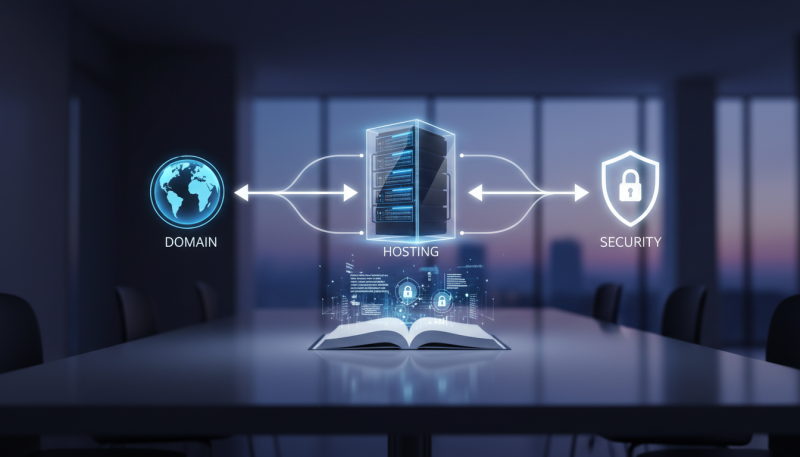
In the modern era, establishing a digital presence is no longer a luxury for businesses and individuals; it is a fundamental necessity. However, for those just starting, the technical terminology can be overwhelming. Understanding Domain, Hosting & Security: A Complete Beginner’s Roadmap is the first step toward building a resilient, high-performing website. The internet is an ecosystem where your domain is your address, your hosting is the physical building, and security represents the locks and surveillance that keep your assets safe. As of late 2023, there are over 1.1 billion websites online, yet only a fraction are optimized for performance and safety. This roadmap is designed to bridge that gap, providing a deep dive into the infrastructure required to succeed in an increasingly competitive digital marketplace. We will explore how these three pillars interact, why they are non-negotiable for SEO, and how you can make informed decisions that will scale with your growth.
Phase 1: Domain Names – Your Digital Identity
A domain name is more than just a URL; it is your brand’s digital identity. It is the human-readable address that points to the IP address of your server. Without a domain, users would have to memorize complex strings of numbers like 192.0.2.1 to find your site.
The Anatomy of a Domain
Every domain consists of two main parts: the Second-Level Domain (SLD) and the Top-Level Domain (TLD). In the example ‘example.com’, ‘example’ is the SLD, and ‘.com’ is the TLD. Choosing the right SLD is crucial for branding, while the TLD can influence user perception and, in some cases, local SEO. While .com remains the gold standard for global credibility, newer extensions like .tech, .io, and .store are gaining traction in specific niches.
Domain Registration and the ICANN Lifecycle
When you purchase a domain, you are actually leasing it from a registrar for a specific period. The Internet Corporation for Assigned Names and Numbers (ICANN) oversees the entire system. It is vital to understand the domain lifecycle: Registration, Active Period, Expiration, Grace Period, and Redemption Period. Failing to renew your domain during the grace period can lead to it being auctioned off to the highest bidder, a common pitfall for beginners who do not enable auto-renewal.
The Importance of WHOIS Privacy
By default, when you register a domain, your personal information (name, address, email, phone number) is added to the public WHOIS database. This can lead to an influx of spam and privacy concerns. Opting for WHOIS Privacy Protection masks your details, replacing them with the information of a proxy service. This is a critical first step in the security portion of our roadmap.
Phase 2: Web Hosting – The Engine of Your Website
If the domain is your address, web hosting is the plot of land and the building where your website’s files reside. Web hosting involves a server—a powerful computer that remains connected to the internet 24/7, serving your content to visitors whenever they request it.
Types of Hosting Architectures
Choosing the right hosting environment depends on your traffic expectations, technical expertise, and budget. Here are the primary categories:
- Shared Hosting: The most cost-effective option for beginners. Multiple websites share the resources (CPU, RAM, Disk Space) of a single server. While affordable, performance can be impacted if a ‘neighbor’ site experiences a massive traffic spike.
- VPS (Virtual Private Server) Hosting: A middle ground where a single physical server is partitioned into multiple virtual servers. Each user has dedicated resources, providing better stability and customization than shared hosting.
- Dedicated Hosting: You rent an entire physical server. This offers maximum performance and control but requires significant technical knowledge and a higher budget.
- Cloud Hosting: Instead of one server, your site is hosted on a network of interconnected servers. This provides unparalleled scalability; if one server fails, another takes over. It is ideal for sites with fluctuating traffic.
- Managed WordPress Hosting: Specifically optimized for WordPress, these plans handle updates, caching, and security at the server level, allowing creators to focus on content.
Key Performance Metrics: Uptime and TTFB
When evaluating hosting providers, two metrics are paramount: Uptime and Time to First Byte (TTFB). Uptime refers to the percentage of time the server is operational. You should aim for nothing less than 99.9%. TTFB measures the responsiveness of the webserver. A high TTFB can frustrate users and negatively impact your search engine rankings, as Google prioritizes fast-loading sites. For those seeking a balance of performance and reliability, Sky Hostic offers robust solutions tailored for scaling businesses.
Phase 3: Security – Safeguarding Your Digital Assets
In a landscape where cyberattacks occur every 39 seconds, security cannot be an afterthought. Domain, Hosting & Security: A Complete Beginner’s Roadmap emphasizes that a fast site is useless if it is compromised.
SSL/TLS Certificates: The Foundation of Trust
Secure Sockets Layer (SSL) and its successor, Transport Layer Security (TLS), encrypt the data transmitted between the user’s browser and your server. This is signified by the ‘HTTPS’ prefix and the padlock icon in the browser bar. Beyond protecting sensitive data like passwords and credit card numbers, SSL is a confirmed Google ranking factor. Sites without SSL are flagged as ‘Not Secure,’ which significantly increases bounce rates.
Web Application Firewalls (WAF) and DDoS Protection
A WAF acts as a filter between your website and the internet, monitoring HTTP traffic and blocking malicious requests like SQL injections and Cross-Site Scripting (XSS). Additionally, Distributed Denial of Service (DDoS) protection is essential. DDoS attacks attempt to crash your site by overwhelming it with fake traffic. Modern hosting providers often include basic DDoS mitigation, but high-traffic sites may require advanced solutions.
Automated Backups and Disaster Recovery
No security system is 100% foolproof. Therefore, a robust backup strategy is your last line of defense. Ideally, you should have daily automated backups stored in a location separate from your primary server (off-site backups). This ensures that if your site is hacked or a server failure occurs, you can restore your data with minimal downtime.
Malware Scanning and Removal
Proactive scanning is necessary to detect malicious code that might be injected into your site files. Many hosting environments offer automated tools that scan for known signatures of malware. Regular updates to your CMS (like WordPress), themes, and plugins are also vital, as outdated software is the primary entry point for hackers.
The Synergy: How Domain, Hosting, and Security Work Together
To succeed, you must understand how these three elements interact. When a user types your domain into their browser, the DNS (Domain Name System) resolution process begins. The DNS points the browser to your hosting server’s IP address. Before the content is delivered, the security protocols (SSL/TLS) establish an encrypted connection. If any of these links are weak, the user experience fails. For example, a secure site on a slow host results in high abandonment, while a fast site on an insecure host results in data theft. A holistic approach ensures that your roadmap leads to a sustainable and professional online presence.
Frequently Asked Questions
1. Can I change my hosting provider after I have registered my domain?
Yes. Domains and hosting are independent services. You can point your domain to any hosting provider by updating the Name Servers (DNS) in your domain registrar’s dashboard.
2. Is a free SSL certificate as good as a paid one?
For most beginners, free SSL certificates (like Let’s Encrypt) provide excellent encryption and are sufficient. Paid SSL certificates are generally only necessary for large enterprises that require higher levels of identity validation and insurance warranties.
3. Why is my domain name more expensive to renew than it was to buy?
Many registrars offer introductory pricing for the first year. The renewal rate is the standard market price. Always check the renewal fees before purchasing a domain to avoid surprises.
4. What is the difference between a Data Center and a Web Host?
A data center is the physical facility that houses the servers. A web host is the company that manages those servers, provides the software interface, and offers support to the end-user.
5. How often should I back up my website?
At a minimum, you should have weekly backups. However, for active blogs or e-commerce sites, daily or even real-time backups are highly recommended to prevent data loss.
Conclusion: Your Path to Digital Success
Embarking on the journey of creating a website is an exciting venture, but it requires a solid foundation. By following this Domain, Hosting & Security: A Complete Beginner’s Roadmap, you have learned that a domain is your identity, hosting is your infrastructure, and security is your protection. Prioritizing these three pillars from the outset will save you countless hours of troubleshooting and protect your brand reputation. Remember to choose a domain that reflects your brand, a host that offers high uptime and low latency, and a security suite that includes SSL, firewalls, and backups. As you grow, continue to audit these areas to ensure they meet the evolving demands of your audience and the latest technological standards. Your digital future starts with these fundamental choices—make them wisely.